
Metalworking Machines - General
On this page
What are some basic tips to know when using metalworking machines?
Back to topMetalworking machines can be dangerous if not used properly. Read the owner's manuals carefully. Make sure you receive complete instructions and are properly trained before using any tool or machine. Examples include (this list is not complete):
- chemical exposure to certain metals and metal working fluids
- ergonomic concerns regarding body postures as well as handling materials
- safety hazards including entanglement, pinch points, and crush points
- excessive noise or vibration
- safety hazards, such as being struck by materials, chips or swarf; burns or scalds from hot metals
Read the owner's manuals carefully. Make sure you receive complete instructions and are properly trained before using any tool or machine. Make sure any personal protective equipment (PPE) meets the requirements of any legislation or CSA Standard (or equivalent) that may apply.
- Check and adjust all safety devices before each job.
- Make sure that the guards are in position and in good working condition before operating.
- Make sure that all stationary equipment is anchored securely to the floor.
- Make sure all machines have a start/stop button within easy reach of the operator.
- Make sure that all machines have an emergency stop button (e-stop).
- Each machine should have only one operator at one time. However, everyone should know how to stop the machine in an emergency.
- Make sure that keys and adjusting wrenches have been removed from the machine before turning on the power. Provide a convenient tool rack.
- Make sure that all cutting tools and blades are clean and sharp. They should be able to cut freely without being forced.
- Stop the machine before measuring, cleaning or making any adjustments.
- Perform appropriate lockout steps before starting maintenance or repairs.
- Use a vacuum, brush or rake to remove cuttings. Do not handle cuttings by hand because they are very sharp.
- Keep hands away from the cutting head and all moving parts.
- Avoid awkward operations and hand positions. A sudden slip could cause the hand to move into the cutting tool or blade.
- Return all portable tooling to their proper storage place after use.
- Clean all tools after use.
- Keep work area clean, well swept, and well lit. Floors should be level and have a non-slip surface.
- Make sure there is enough room around the machine to do the job safely.
- Obtain first aid immediately for all injuries.
- Understand that the health and fire hazards can vary from material to material. Make sure all appropriate precautions are taken.
- Clean machines, ducts, hoods and other areas if there is the possibility of a combustible dust situation. Some metal dusts can pose a serious risk of explosion.
What should you avoid doing when using metalworking machines?
Back to top- Do not distract an operator. Horseplay can lead to injuries and should be strictly prohibited.
- Do not wear loose clothing, gloves, neckties, rings, bracelets or other jewelry that can become entangled in moving parts. Tie back and confine long hair.
- Do not remove cuttings by hand. Wait until the machine has stopped running to clear cuttings with a vacuum, brush or rake.
- Do not leave machines running unattended. Turn power off.
- Do not free a stalled cutter without turning the power off first.
- Do not clean hands with cutting fluids.
- Do not use rags near moving parts of machines.
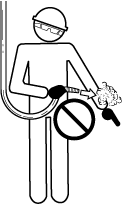
- Do not use compressed air to blow debris from machines or to clean dirt from clothes.
Refer to OSH Answer sections on Powered hand tools, Hand Tools, and Abrasive Wheels for additional information.
What personal protective equipment might I need?
Back to top- Use the appropriate safety equipment for the job. Wear CSA-certified safety glasses with side shields or goggles. Prescription eye glasses are not substitutes for safety glasses.
- Wear appropriate safety footwear.
- Wear respiratory protection where required.
- Wear hearing protection when required. If you have trouble hearing someone speak from one metre (three feet) away, the noise level from the machine is too high. Damage to hearing may occur.
Refer to OSH Answers section on Personal Protective Equipment for more information.
- Fact sheet last revised: 2018-11-28