
Parking Lots - Fall Prevention
On this page
Do parking lots pose special hazards?
Back to topParking lots are a special adjunct to many workplaces. Even though you may not be conducting your job there (unless you are a parking attendant or maintenance worker), there is still a possibility that you can be injured. Besides the risk of violence, the major risk includes falls resulting from slips and trips.
Workplaces can help reduce slip, trip, and fall injuries by having a written policy or procedure about the safe walking conditions and surfaces. Parking lots should be inspected on a regular basis and any defects repaired.
What factors contribute to fall incidents on a parking lot?
Back to topA smooth, even, flat surface is ideal for walking because it reduces the likelihood of twisted ankles or loss of balance which can lead to falls and other painful mishaps.
However, heavy use by both pedestrians and vehicle traffic both cause a parking surface to deteriorate. Figure 1 shows examples of damage to look for such as broken pavement, and gratings.
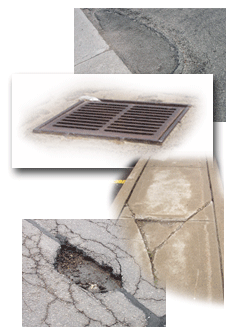
Figure 1
Leaks and spills of engine oil or antifreeze, which commonly occur wherever cars are parked, can further add to risks of slips and falls.
In outdoor parking lots, severe weather conditions additionally aggravate even slight damage to the parking surface. As a consequence the risk for falls due to slips and trips is relatively high in this environment.
Are speed bumps a fall hazard?
Back to topSpeed bumps and tire stops are usually not necessary in a well-designed parking lot. Besides potentially causing damage to vehicles, they create a yet another hazard for tripping - see Figure 2.
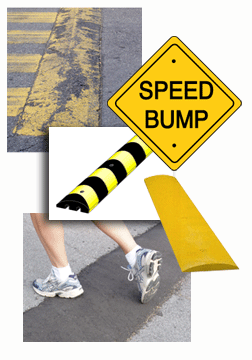
Figure 2
The layout of the parking area should make it impossible to drive unsafely or fast.
Otherwise, if speed bumps or tire stops are absolutely necessary:
- Locate them away from pedestrian traffic (such as at entrance and exit areas).
- Use a speed bump sign and post the recommended speed wherever such bumps have to be used.
Are tire stops hazardous?
Back to topTire stops are serious tripping hazards particularly when parking slots are occupied. When tire stops are present, a few precautions are advised:
- They should no wider than the width of the vehicle.
- They should be marked with a contrasting colour, and preferably using retroreflective paint.
- Special attention should be paid to their regular maintenance because they deteriorate faster than other elements of the parking area - see Figures 3 and 4.
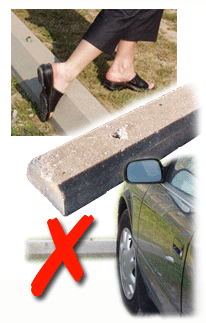
Figure 3
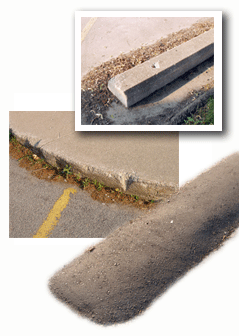
Figure 4
How can you prevent falls?
Back to topFalls can be prevented through a number of steps:
- Good lighting.
- Good housekeeping.
- Good quality walking surface in the parking area.
- Clear marking of steps, ramps, tire stops, speed bumps, or other elevation changes.
- Garbage cans available for trash.
- Sand/salt, shovels, or brooms available to clear the area.
- Removal of debris from drains and grates to reduce flooding.
- Appropriate walking pace: walk, don't run.
- Paying attention to where you are going.
- Selection of proper footwear - see Figure 5.
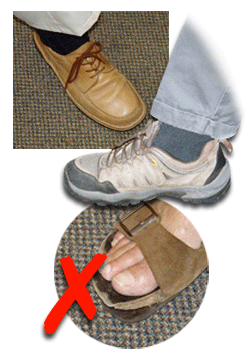
Figure 5
What does good housekeeping mean in terms of parking lots?
Back to topGood housekeeping includes:
- Repairing any damage as soon as possible.
- Posting warning signs or barriers when needed.
- Cleaning all spills and oily spots immediately.
- Marking oily or icy spots and wet areas - see Figure 6.
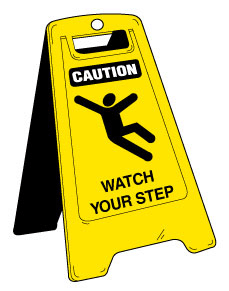
Figure 6
- Clearing ice or snow as soon as possible.
- Removing clutter, debris and any obstacles from walkways.
- Keeping the lighting system in good repair.
What responsibilities do workers have?
Back to topSafety is everybody's duty, so workers as much as employers should:
- Be aware when walking through a parking lot – watch for cars as well as fall hazards.
- Never assume that the driver will see you first.
- Clean or report spills right away.
- Clear away clutter and debris, if they can.
- Wear appropriate footwear for the situation (e.g., non-slip footwear in the winter).
- Report hazardous conditions to their supervisors.
- Remain aware that falls can happen anywhere, anytime.
- Fact sheet last revised: 2018-04-04