
Powered Hand Tools - Belt Sanders
On this page
What should you do to work safely with belt sanders?
Back to top- Wear safety glasses or goggles, or a face shield (with safety glasses or goggles).
- Wear a dust respirator for dusty operations.
- Make sure the sander is switched "OFF" before connecting the power supply.
- Disconnect power supply before changing a sanding belt, making adjustments, or emptying dust collector.
- Inspect sanding belts before using them. Replace those belts worn or frayed.
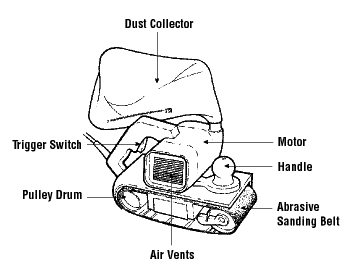
- Install sanding belts that are the same widths as the pulley drum.
- Adjust sanding belt tension to keep the belt running true and at the same speed as pulley drum.
- Secure the sanding belt in the direction shown on the belt and the machine.
- Keep hands away from a sanding belt.
- Use two hands to operate sanders – one on a trigger switch and the other on a front handle knob.
- Keep all cords clear of sanding area during use.
- Clean dust from the motor and vents at regular intervals.
What should you avoid while working with belt senders?
Back to top- Do not use a sander without an exhaust system or a dust collector present that is in good working order. Empty the collector when 1/4 full. The dust created when sanding can be a fire and explosion hazard. Proper ventilation is essential.
- Do not exert excessive pressure on a moving sander. The weight of the sander supplies adequate pressure for the job.
- Do not work on unsecured stock unless it is heavy enough to stay in place. Clamp the stock into place or use a "stop block" to prevent movement.
- Do not overreach. Always keep proper footing and balance.
- Do not cover the air vents of the sander.
Refer to Powered Hand Tools - Basic Safety for Electric Tools for general safety tips.
- Fact sheet confirmed current: 2019-08-15
- Fact sheet last revised: 2013-12-20